Category: Hiking

  • Smart styling for your first corporate job

    Smart styling for your first corporate job

    You landed the job. The contract is signed, the start date is set, and the excitement is real. Then, the panic sets in: What do I wear? For many recent graduates entering the workforce, the transition from campus hoodies to office attire is the most stressful part of the onboarding process. You want to look professional, but you also want to fit into a modern workplace culture that likely values comfort over stiff suits. Plus, you’re working with an entry-level budget.

    The secret isn’t to buy a whole new closet of expensive clothes. It’s to build a foundation of versatile pieces that work harder for you. This is where the concept of a smart, hybrid wardrobe comes in—clothing that looks just as good in a Monday morning meeting as it does at Friday evening drinks.

    The challenge of the entry-level wardrobe

    When you are just starting out, your budget is often tight. It is tempting to buy cheap, trendy items to fill up your closet quickly, but this strategy often backfires. Trends fade, and poor-quality fabrics lose their shape after a few washes. Instead, the goal should be to find high-value basics that bridge the gap between casual and professional. You need items that are durable, comfortable, and neutral enough to mix and match with what you already own. This approach reduces decision fatigue in the morning and ensures you always look put-together without trying too hard.

    Why the humble polo is your secret weapon

    In the world of modern business casual, the polo shirt is the ultimate MVP. It sits perfectly in the middle of the formality spectrum: structured enough to be taken seriously, but soft enough to keep you comfortable at your desk all day. Unlike a stiff button-down that requires ironing and dry cleaning, a simple polo is low-maintenance and high-reward. It implies you care about your appearance but aren’t stuffy. For tech roles or creative corporate environments, it is often the standard uniform for a reason.

    Mastering the office look

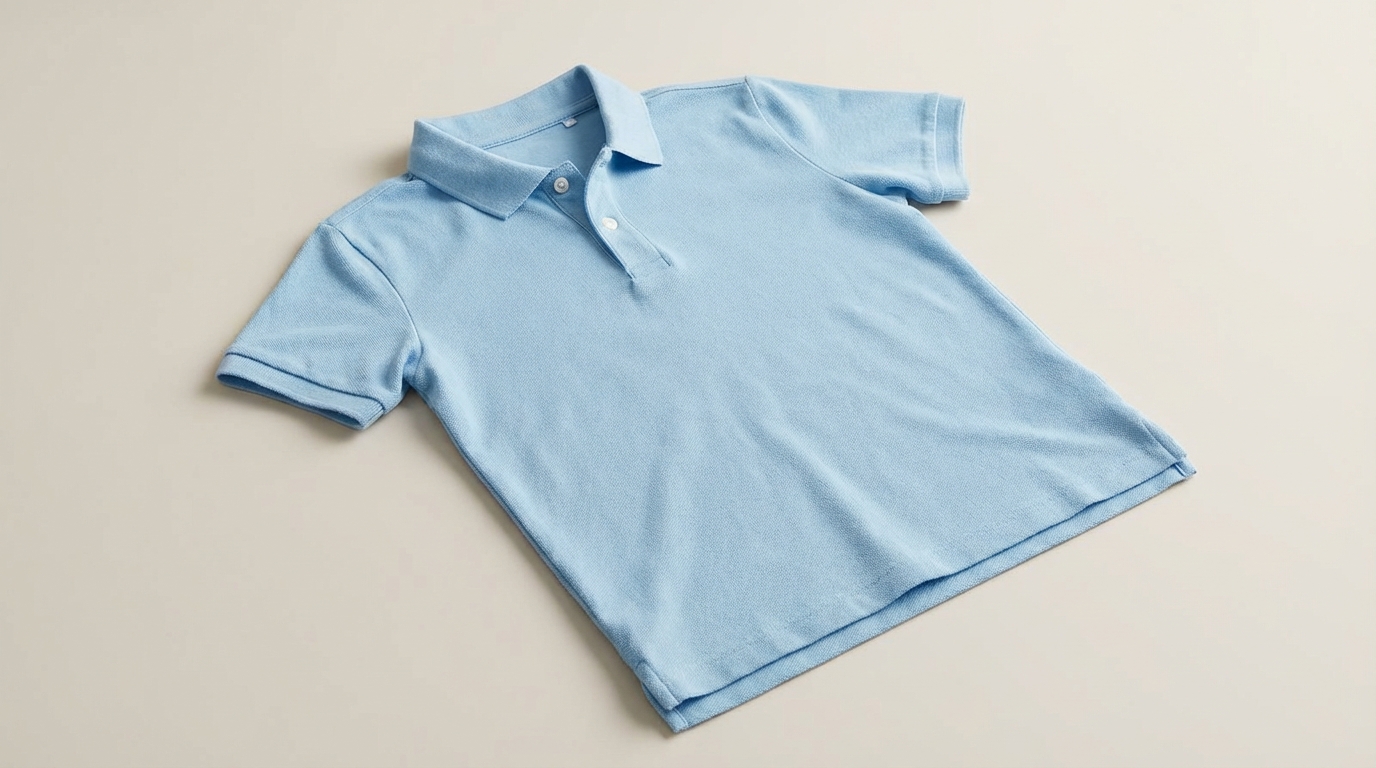
    Styling a polo for the office is all about the details. To elevate the look, pair your light blue polo with a pair of crisp beige or navy chinos. The key to looking professional is the tuck. A neatly tucked shirt instantly signals intentionality. Add a leather belt and a pair of loafers or clean derby shoes, and you have an outfit that works for 90% of modern office scenarios. If the AC is blasting, throw on a structured knit cardigan or a casual blazer. The collar of the polo looks great peeking out from under a jacket, adding a layer of texture to your outfit.
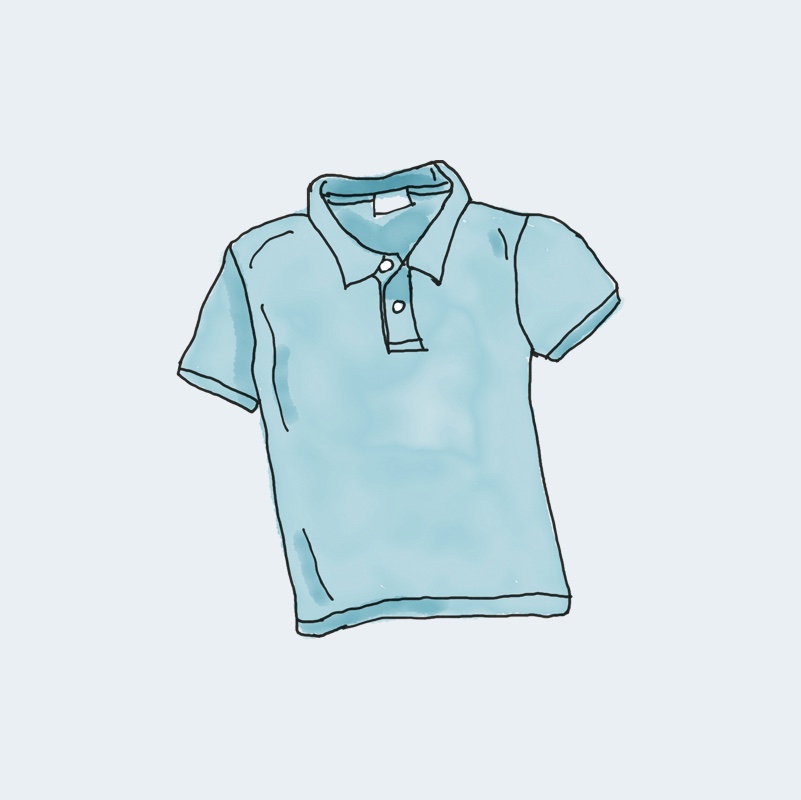
    A simple light blue polo shirt with a folded collar and two white buttons

    The clean lines and soft blue tone make this a versatile staple for any rotation.

    Transitioning to after-hours

    The beauty of this wardrobe staple is its ability to clock out when you do. If your team heads to a happy hour or you are meeting friends for dinner, you don’t need to change. Simply untuck the shirt for a more relaxed vibe. Swap the chinos for a pair of dark-wash jeans and the loafers for clean, white sneakers. The soft, muted light blue color works universally well with denim, keeping your look fresh but relaxed. This versatility means you pack less for weekend trips and get more mileage out of a single purchase.

    The art of the rotation

    You don’t need ten different shirts to survive your first month. You just need a few reliable ones. Building a rotation starts with finding a fit you love—something that isn’t too boxy but allows for movement. Once you find that perfect classic polo, it becomes the anchor of your daily uniform. Start with one, see how it fits into your weekly routine, and build from there. It is a low-risk way to upgrade your style without the anxiety of a major wardrobe overhaul.
  • The foundation of a mindful daily uniform

    The foundation of a mindful daily uniform

    In the creative and tech industries, mental bandwidth is a finite currency. Every choice we make—from which font to use for a headline to how to solve a complex coding bug—draws from the same reserve of cognitive energy. It is no surprise, then, that the morning routine often becomes the first casualty of decision fatigue. Staring into a closet full of options but feeling like you have nothing to wear is a friction point that starts the day on a note of inefficiency. The solution embraced by many top performers is not more clothes, but fewer, better ones: a uniform.

    A daily uniform does not mean wearing the exact same garment every day; rather, it implies a curated rotation of reliable, high-quality basics that work together effortlessly. This approach removes the anxiety of “getting it right” and replaces it with the confidence of knowing you always look put-together. At the heart of this strategy lies the humble t-shirt—a piece so ubiquitous it is often overlooked, yet so essential that its quality dictates the success of the entire outfit. By investing in a foundational layer that prioritizes fit, comfort, and durability, you take the first step toward reclaiming your morning focus.

    The psychology of the daily uniform

    The concept of a personal uniform has been championed by creative directors, CEOs, and innovators for decades. The logic is rooted in the psychological phenomenon of “decision fatigue.” As the day progresses, the quality of our decisions deteriorates. By automating the mundane choice of what to wear, you preserve your peak mental energy for high-impact work. This isn’t about conformity; it’s about eliminating noise.

    For the modern professional, a uniform signals intentionality. It suggests that you value your time and have a clear sense of self. A crisp, well-fitting T-Shirt becomes a canvas—neutral enough to fit any casual professional setting, yet distinct enough to show you care about details. It allows your work and your personality to take center stage, rather than your outfit competing for attention.

    Anatomy of the perfect base layer

    Not all t-shirts are created equal. When building a capsule wardrobe, the goal is to find a piece that balances structure with ease. A great base layer needs to be substantial enough to drape well without clinging, yet breathable enough for all-day comfort. The visual weight of the fabric matters; flimsy materials often look unkempt after a few hours of wear, whereas a quality textile maintains its shape.

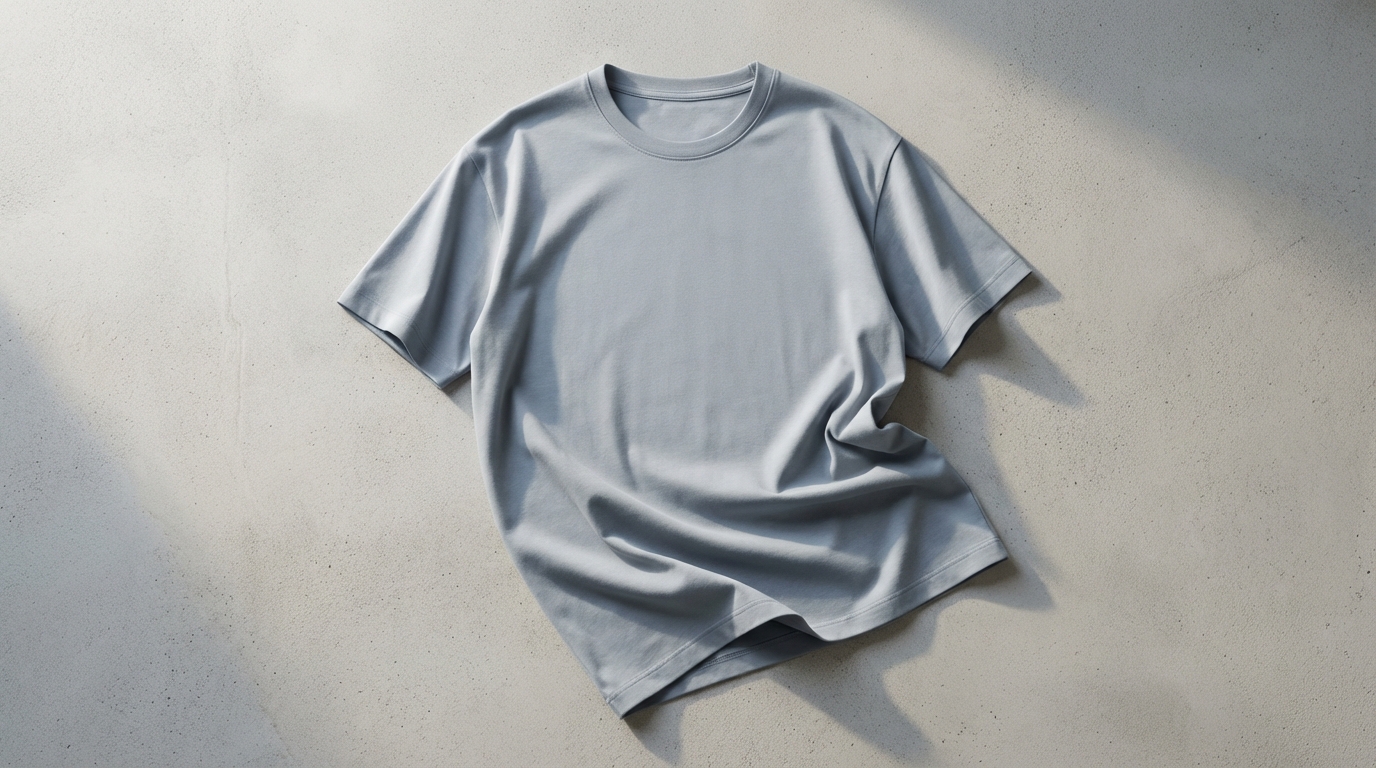
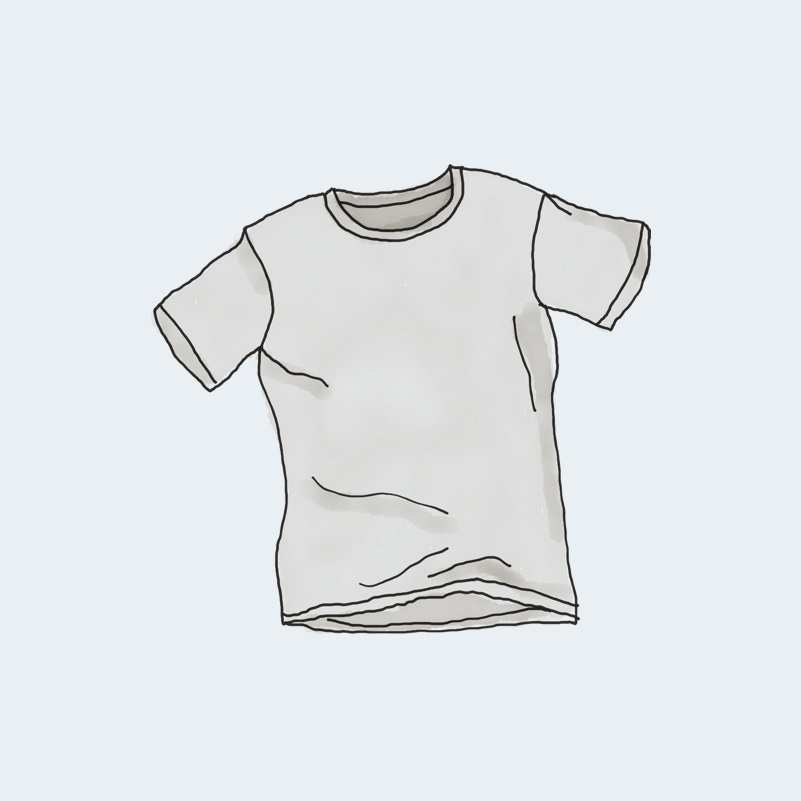
    A minimalist, light blue-gray t-shirt with a classic crew neck and relaxed fit.

    As seen in this example, a classic crew neck offers a timeless silhouette that works under a blazer, a cardigan, or on its own. The ribbed neckband is a crucial detail—it frames the face and needs to be resilient enough to resist stretching. A relaxed fit through the body ensures the garment moves with you, avoiding the boxy stiffness of cheaper alternatives. The light blue-gray tone shown here is particularly versatile, offering a softer alternative to stark white or severe black, blending seamlessly into a sophisticated color palette.

    The economics of cost-per-wear

    When we talk about value in clothing, the initial price tag is often misleading. A cheap shirt that loses its shape after three washes has a high cost-per-wear because it must be replaced frequently. Conversely, investing $18.00 in a well-constructed T-Shirt that survives dozens of wash cycles yields a much better return on investment. This economic principle aligns with the mindset of those who prefer to “buy once, cry once,” although in this case, the entry price is surprisingly accessible.

    Longevity is the ultimate sustainability metric. By choosing items designed to last—with reinforced stitching at the hem and sleeves—you reduce textile waste. You stop the cycle of constant consumption and disposal. Building a wardrobe on these principles is not just a financial decision; it is an ethical one that respects both your wallet and the environment.

    Styling without effort

    The true power of a high-quality basic lies in its versatility. A clean, unbranded t-shirt acts as a chameleon. For a client meeting, tuck it into tailored trousers and throw on a structured jacket; the look is professional but approachable. For a deep-work session at a coffee shop, pair it with dark denim and sneakers for effortless comfort. The absence of loud logos or busy patterns means the shirt never clashes with other elements of your wardrobe.

    This versatility simplifies packing for travel as well. A single reliable t-shirt can serve as a gym top, a pajama top in a pinch, or a dinner-ready layer depending on how it is accessorized. This adaptability is the hallmark of a functional capsule wardrobe, allowing you to own less while doing more.

    The shift to mindful consumption

    Adopting a uniform is a behavior shift. It requires letting go of the dopamine hit associated with buying “newness” and finding satisfaction in “better.” It is about appreciating the texture of the fabric, the precision of the stitch, and the way a garment makes you feel. This mindfulness spills over into other areas of life/work, fostering a habit of quality over quantity.

    Start small. You don’t need to overhaul your entire closet overnight. Begin by identifying the pieces you reach for most often and upgrading them. If a t-shirt is your daily driver, make sure it is one that honors your need for comfort and style. Experience the difference a simple, well-made T-Shirt can make in your daily rhythm. It is a small step that sets the tone for a more focused, intentional lifestyle.